From 19 to 23 October 2026, representatives of Ukrainian and European partner universities gathered in Kastoria, Greece, for the Final Conference of our DigiFLEd project. Hosted by the University of Western Macedonia, the conference brought together project partners to celebrate three years of collaboration, showcase key achievements, exchange experiences, and explore how DigiFLEd results can continue to shape foreign language education.
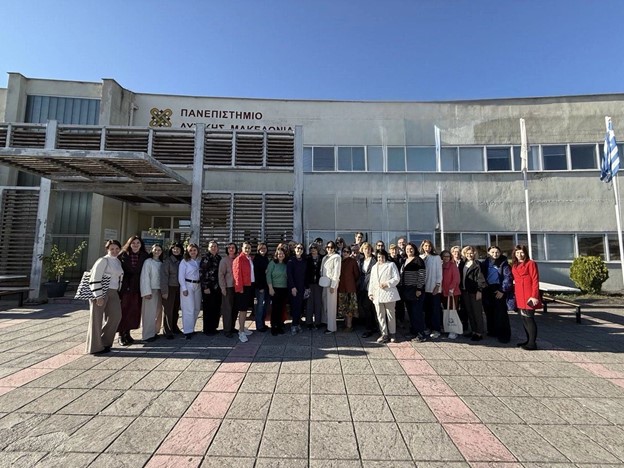
The five-day programme combined presentations, interactive workshops, professional discussions, institutional meetings, and cultural activities, offering participants opportunities to share their experiences and explore new approaches to foreign language teaching and learning.
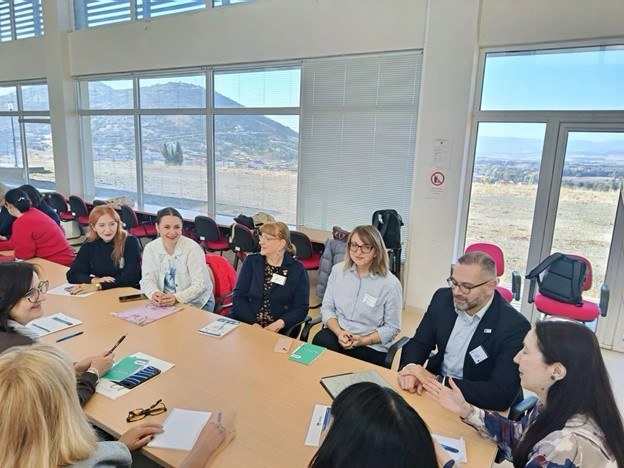
One of the highlights was the interactive World Café, where participants worked in groups focusing on three key areas: project management, curricular modernisation, and ICT tools. Through lively discussions, partners shared their successes, reflected on challenges, and explored how the knowledge, tools, and teaching approaches developed through DigiFLEd are already making a difference at their universities.
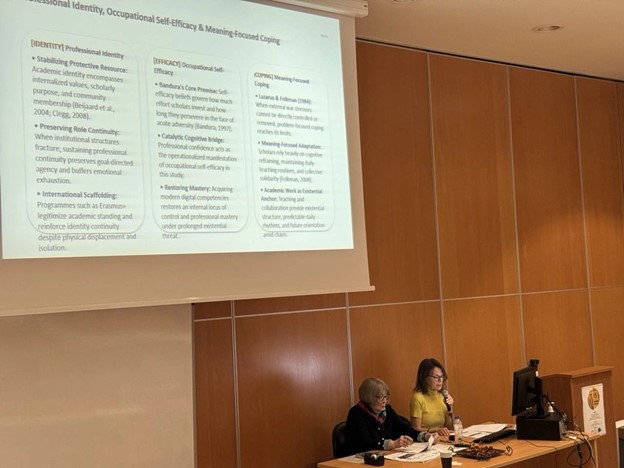
Another particularly meaningful session addressed well-being and resilience in wartime Ukraine. Led by Domna Michail and Kate Moore, the presentation highlighted the experiences of Ukrainian educators working under challenging circumstances and the importance of international academic solidarity and mutual support.
The conference also featured presentations by Work Package leaders and project participants, showcasing the outcomes of three years of cooperation. Particular attention was given to modernised curricula, newly developed courses, digital teaching resources, professional development opportunities, and the integration of innovative technologies into foreign language education.
Three Years of DigiFLEd: Key Achievements
Three years of collaboration have delivered significant results: 24 modernised curricula, 7 innovative ICT-enhanced courses, 7 virtual university centres, 3 benchmarking visits, and 13 ICT training sessions. Together, these achievements are expected to benefit approximately 1,500 teachers and students.
During the conference, Ukrainian partners shared their experiences of implementing new courses and digital tools, presenting practical examples of how project outcomes are being integrated into teaching and learning. The discussions demonstrated that DigiFLEd has gone beyond the development of educational resources, contributing to new teaching practices, stronger institutional cooperation, and professional growth.
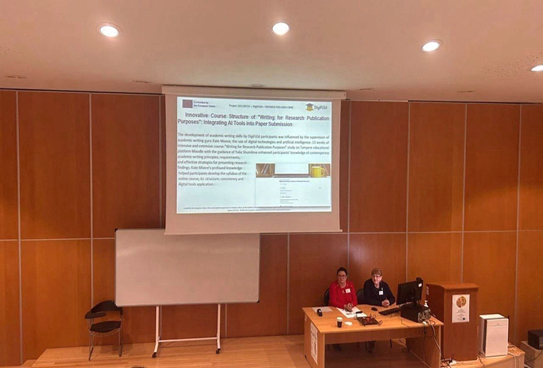
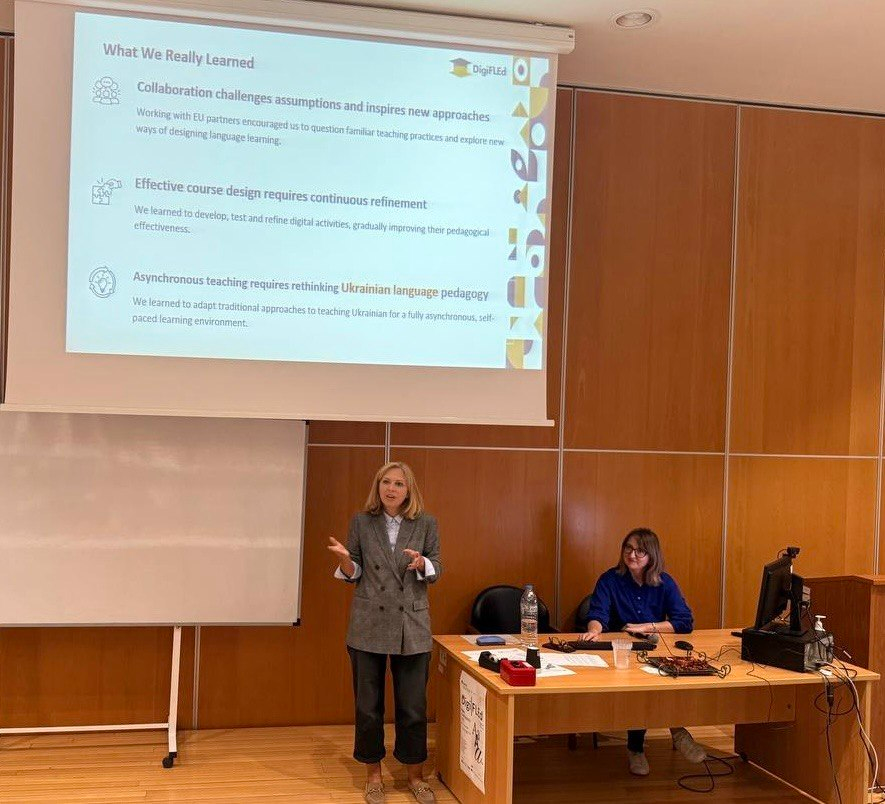
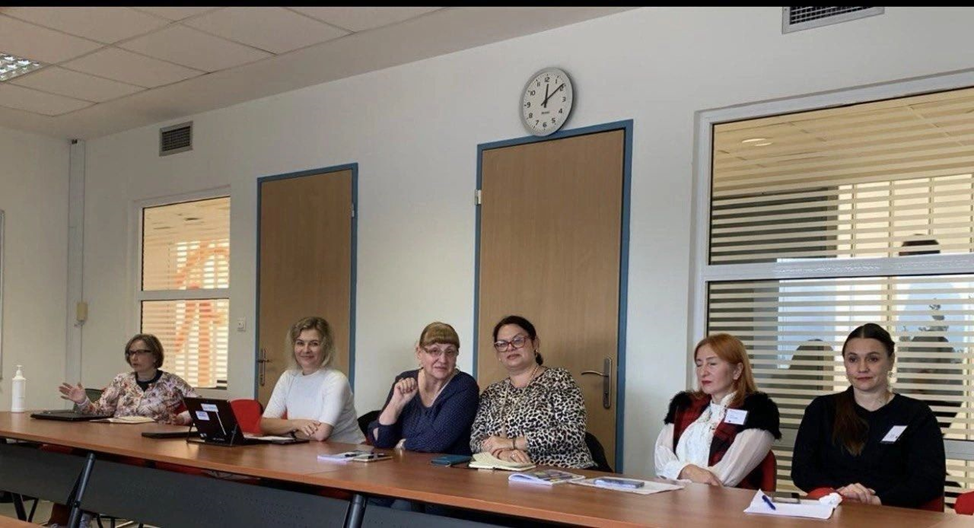
The final meetings focused on the remaining project tasks, reporting requirements, dissemination, sustainability, and opportunities for future cooperation. Participants also reflected on lessons learned, shared their most valuable experiences, and celebrated the professional connections established throughout the project.
The visit programme also offered opportunities to explore the region’s academic and cultural heritage. Participants visited the University of Western Macedonia’s Kozani campus, where they learned about developments in robotics, as well as the Archaeological Museum of Aiani and the picturesque Kastoria region.
The DigiFLEd Final Conference marked an important milestone in the 2024–2026 project. While the project is approaching its formal conclusion, its educational resources, innovative practices, and international partnerships provide a strong foundation for continued collaboration.